Understanding Ankle Osteoarthritis and How It Affects You

Ankle osteoarthritis is a degenerative joint condition where the cartilage in the ankle wears down over time, causing pain, stiffness, and reduced mobility. It can result from previous injuries, like sprains or fractures, as well as aging or chronic stress on the joint. Symptoms include swelling, stiffness, aching, and a deep pain in the ankle that worsens with activity. The joint may appear swollen or deformed and can feel unstable or locked during movement. This condition can significantly impact daily activities, such as walking, climbing stairs, or standing for long periods. A podiatrist can help manage ankle osteoarthritis through a variety of treatments. Among them are custom orthotics, ankle braces, targeted exercises, anti-inflammatory medications, and lifestyle adjustments. In more severe cases, surgical options may be considered to relieve pain and improve function. If you are dealing with severe ankle pain, it is suggested that you make an appointment with a podiatrist.

Ankle pain can have many different causes and the pain may potentially be serious. If you have ankle pain, consult with Lauryn Smith-Winton, DPM from S.W. Podiatry Group. Our doctor will assess your condition and provide you with quality foot and ankle treatment.

Ankle pain is any condition that causes pain in the ankle. Due to the fact that the ankle consists of tendons, muscles, bones, and ligaments, ankle pain can come from a number of different conditions.

Causes

The most common causes of ankle pain include:

  • Types of arthritis (rheumatoid, osteoarthritis, and gout)
  • Ankle sprains
  • Broken ankles
  • Achilles tendinitis
  • Achilles tendon rupture
  • Stress fractures
  • Tarsal tunnel syndrome
  • Plantar fasciitis

Symptoms

Symptoms of ankle injury vary based upon the condition. Pain may include general pain and discomfort, swelling, aching, redness, bruising, burning or stabbing sensations, and/or loss of sensation.

Diagnosis

Due to the wide variety of potential causes of ankle pain, podiatrists will utilize a number of different methods to properly diagnose ankle pain. This can include asking for personal and family medical histories and of any recent injuries. Further diagnosis may include sensation tests, a physical examination, and potentially x-rays or other imaging tests.

Treatment

Just as the range of causes varies widely, so do treatments. Some more common treatments are rest, ice packs, keeping pressure off the foot, orthotics and braces, medication for inflammation and pain, and surgery.

If you have any questions please feel free to contact our office located in Waldorf, MD . We offer the newest diagnostic tools and technology to treat your foot and ankle needs.


Read more about Ankle Pain

Everyday Foot Care Can Be a Simple Step Toward Lasting Health

Everyday foot care involves regular attention to hygiene, moisture control, nail trimming, and inspecting the feet for changes. The feet carry the body through daily routines, and neglecting them can lead to discomfort, infections, or long-term complications. Proper foot care helps prevent common issues such as calluses, fungal infections, ingrown nails, and supports overall mobility and well-being. A podiatrist can provide expert guidance on maintaining healthy feet, identify early signs of potential problems, and offer personalized treatments. From routine care to addressing specific concerns, professional foot care makes a difference. If you want to keep your feet in top shape and prevent future issues, it is suggested that you schedule a visit with a podiatrist who can treat various foot conditions, and guide you on effective everyday foot care practices.

Everyday foot care is very important to prevent infection and other foot ailments. If you need your feet checked, contact Lauryn Smith-Winton, DPM from S.W. Podiatry Group. Our doctor can provide the care you need to keep you pain-free and on your feet.

Everyday Foot Care

Often, people take care of their bodies, face and hair more so than they do for their feet. But the feet are a very important aspect of our bodies, and one that we should pay more attention to. Without our feet, we would not be able to perform most daily tasks.

It is best to check your feet regularly to make sure there are no new bruises or cuts that you may not have noticed before. For dry feet, moisturizer can easily be a remedy and can be applied as often as necessary to the affected areas. Wearing shoes that fit well can also help you maintain good foot health, as well as making it easier to walk and do daily activities without the stress or pain of ill-fitting shoes, high heels, or even flip flops. Wearing clean socks with closed shoes is important to ensure that sweat and bacteria do not accumulate within the shoe. Clean socks help to prevent Athlete’s foot, fungi problems, bad odors, and can absorb sweat.

If you have any questions, please feel free to contact our office located in Waldorf, MD . We offer the newest diagnostic and treatment technologies for all your foot care needs.

Read more about Every Day Foot Care

Get Professional Care for a Broken Foot or Ankle

Constant care and regular evaluation are important for a foot or ankle fracture. If left untreated, foot or ankle fractures can worsen over time and create more serious problems.

Don't wait to be examined if you believe you've experienced a foot or ankle fracture.

How Pregnancy Affects Your Feet

During pregnancy, many women notice their feet feeling larger or wider. This change is often due to hormonal shifts that relax ligaments, causing the arches to flatten and feet to spread. In addition, weight gain and fluid retention can lead to swelling, discomfort, and balance changes. Common foot conditions during pregnancy include flat feet, overpronation, and heel pain. Some women may also develop varicose veins or experience leg cramps and aching feet. A podiatrist can provide supportive care through custom orthotics, footwear advice, and treatment for pain or swelling. If you are pregnant and experiencing foot changes or discomfort, it is suggested that you visit a podiatrist who can offer effective relief and treatment tips. 

Pregnant women with swollen feet can be treated with a variety of different methods that are readily available. For more information about other cures for swollen feet during pregnancy, consult with Lauryn Smith-Winton, DPM from S.W. Podiatry Group. Our doctor will attend to all of your foot and ankle needs.

What Foot Problems Can Arise During Pregnancy?

One problem that can occur is overpronation, which occurs when the arch of the foot flattens and tends to roll inward.  This can cause pain and discomfort in your heels while you’re walking or even just standing up, trying to support your baby.  

Another problem is edema, or swelling in the extremities. This often affects the feet during pregnancy but tends to occur in the later stages. 

How Can I Keep My Feet Healthy During Pregnancy?

  • Wearing orthotics can provide extra support for the feet and help distribute weight evenly
  • Minimize the amount of time spent walking barefoot
  • Wear shoes with good arch support
  • Wear shoes that allow for good circulation to the feet
  • Elevate feet if you experience swelling
  • Massage your feet
  • Get regular, light exercise, such as walking, to promote blood circulation to the feet

If you have any questions, please feel free to contact our office located in Waldorf, MD . We offer the newest diagnostic and treatment technologies for all your foot care needs.

Read more about Foot Care for Pregnant Women

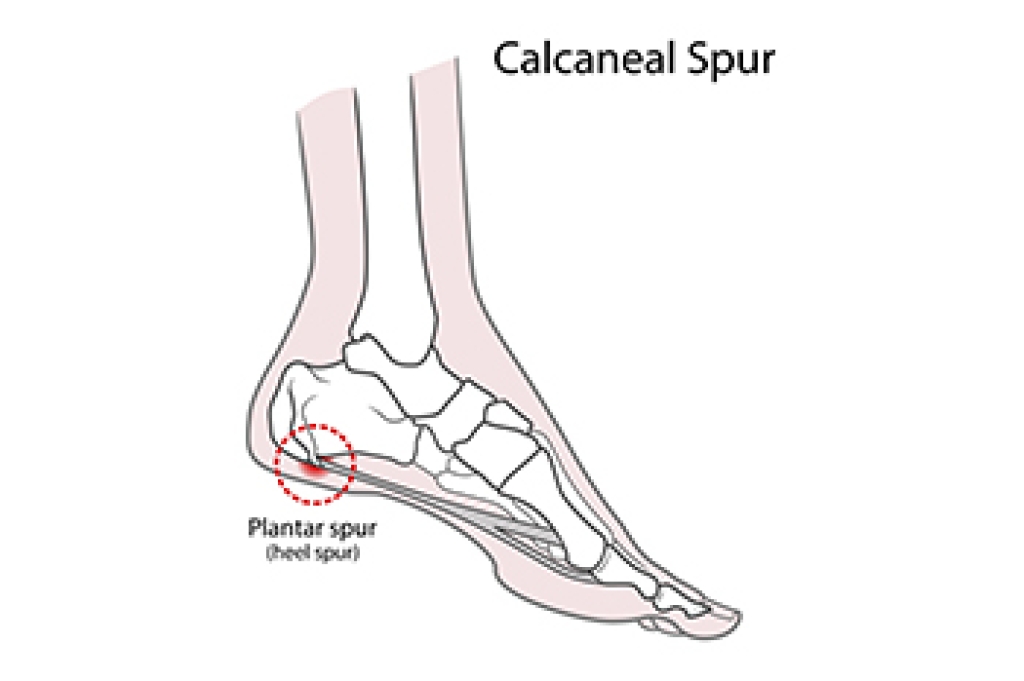
Do I Have a Heel Spur?

Heel spurs are bony growths that develop on the underside of the heel bone, often caused by long-term strain on foot muscles and ligaments. They are frequently associated with plantar fasciitis and may result from repeated stress, walking abnormalities, or footwear that lacks adequate support. Risk factors include obesity, flat feet, aging, and extended periods of standing or walking. Symptoms include sharp heel pain, especially with the first steps in the morning. A podiatrist can diagnose heel spurs using imaging and physical examination and may recommend treatments, such as custom orthotics, stretching exercises, or footwear changes. If heel pain is affecting your mobility, it is suggested that you consult a podiatrist to find relief and regain comfort in your daily activities.

Heel spurs can be incredibly painful and sometimes may make you unable to participate in physical activities. To get medical care for your heel spurs, contact Lauryn Smith-Winton, DPM from S.W. Podiatry Group. Our doctor will do everything possible to treat your condition.

Heels Spurs

Heel spurs are formed by calcium deposits on the back of the foot where the heel is. This can also be caused by small fragments of bone breaking off one section of the foot, attaching onto the back of the foot. Heel spurs can also be bone growth on the back of the foot and may grow in the direction of the arch of the foot.

Older individuals usually suffer from heel spurs and pain sometimes intensifies with age. One of the main condition's spurs are related to is plantar fasciitis.

Pain

The pain associated with spurs is often because of weight placed on the feet. When someone is walking, their entire weight is concentrated on the feet. Bone spurs then have the tendency to affect other bones and tissues around the foot. As the pain continues, the feet will become tender and sensitive over time.

Treatments

There are many ways to treat heel spurs. If one is suffering from heel spurs in conjunction with pain, there are several methods for healing. Medication, surgery, and herbal care are some options.

If you have any questions, please feel free to contact our office located in Waldorf, MD . We offer the newest diagnostic and treatment technologies for all your foot care needs.

Read more about Heel Spurs
scroll to top